


What Happens If You Refuse a Breathalyzer in Texas? Your Rights and the Consequences
Is refusing a breathalyzer in Texas always the right move? Understand implied consent, license suspension, and how to build your DWI defense. Call today.
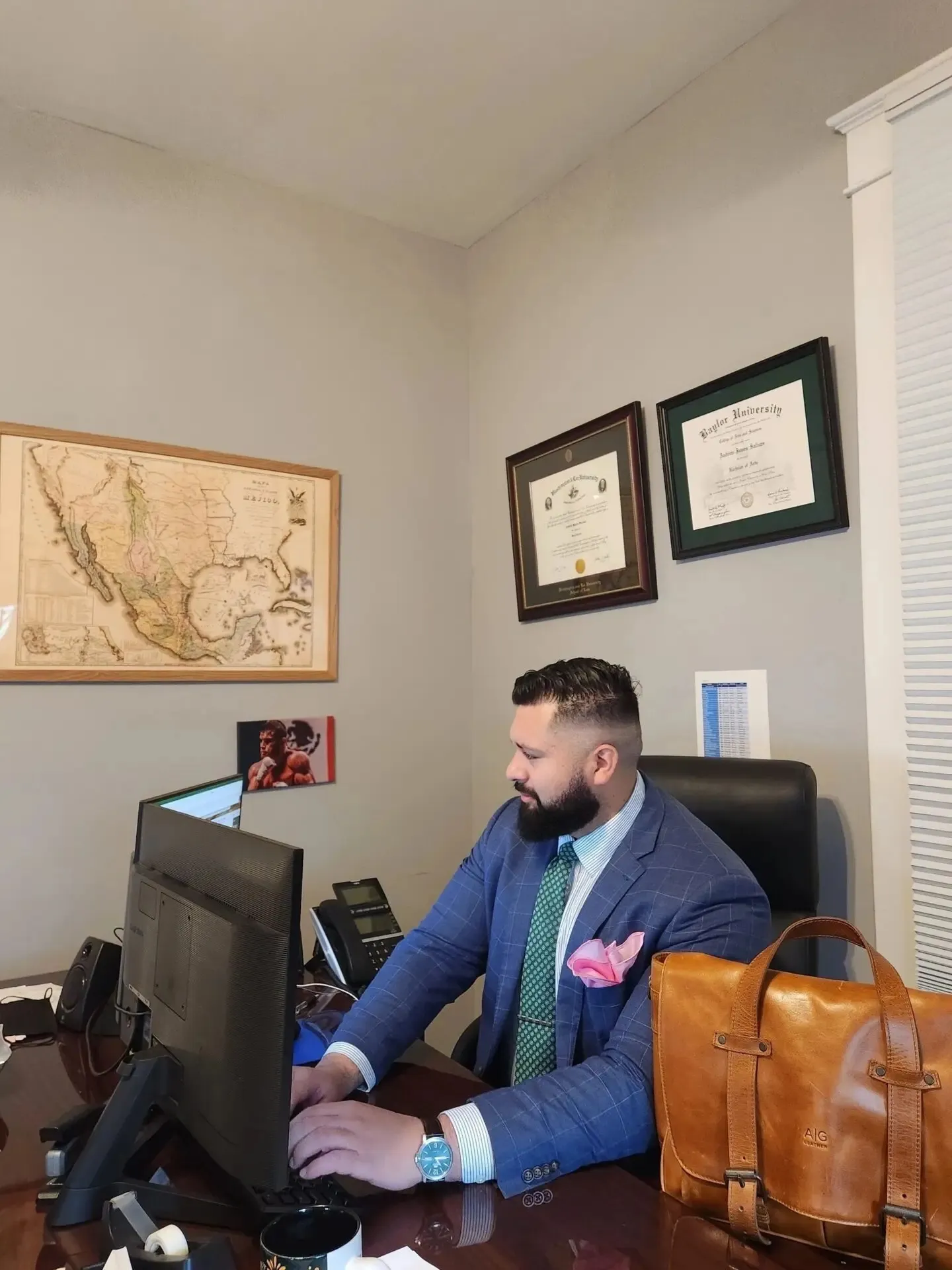
Written by Andrew J. Salinas, Managing Partner & Founder, Salinas Defense Law Firm, PLLC · Two-Time Texas Rising Star (2025–2026) · National Trial Lawyers Top 40 Under 40 · Former ADA, Kings County DA, Brooklyn, NY · NHTSA-Certified · Crimmigration Specialist
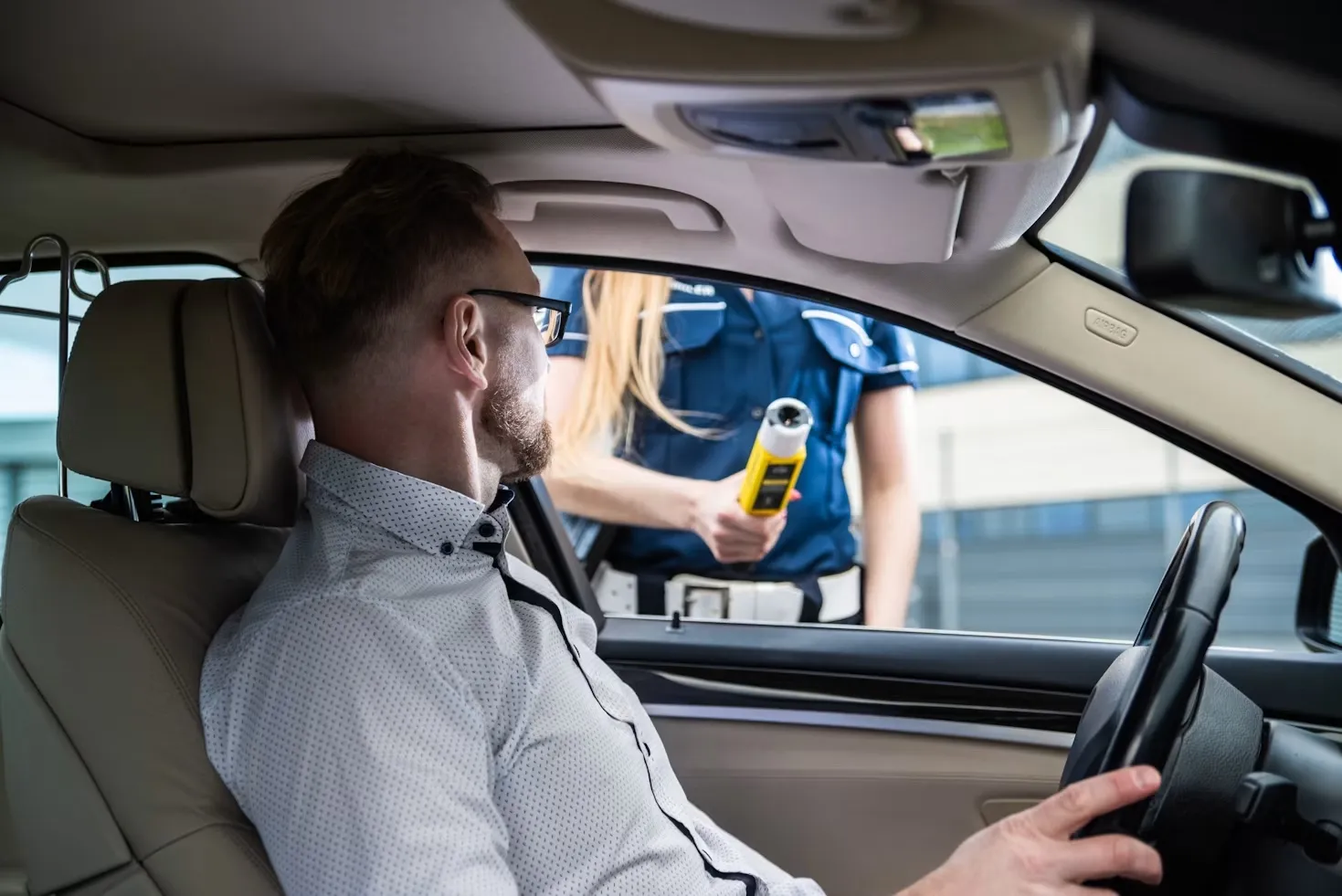
You've been pulled over in Texas. The officer smells alcohol and asks you to take a breathalyzer test. Do you have to? What happens if you say no?
This is one of the most misunderstood areas of Texas DWI law. Many people believe that refusing the breathalyzer is always the smart move. Others believe they're required to take it. The truth is more nuanced — and the decision you make in that moment has significant consequences either way.
Texas Implied Consent Law — What You Agreed to When You Got Your License
Under Texas Transportation Code Section 724.011, anyone who operates a motor vehicle on Texas public roads is deemed to have given implied consent to a breath or blood test if they are arrested for DWI. This means you technically consented to chemical testing as a condition of holding a Texas driver's license.
However — and this is critical — implied consent does not mean the police can force you to blow into a breathalyzer. It means that if you refuse, there are civil and evidentiary consequences. Your refusal is legal, but it is not without cost.
What Happens Immediately If You Refuse the Breathalyzer?
1. The Officer Issues a DIC-25 Notice of Suspension
When you refuse, the officer must give you a DIC-25 notice — a document that tells you your driver's license will be suspended in 40 days. This also starts the 15-day clock to request an ALR hearing to challenge the suspension.
2. Your License Is Suspended for 180 Days
A refusal results in a 180-day driver's license suspension for a first offense — twice the 90-day suspension for failing the test (BAC above .08). For a second or subsequent DWI, the suspension is two years.
3. The Officer May Seek a Blood Draw Warrant
Following the U.S. Supreme Court's decision in Missouri v. McNeely (2013), police generally must obtain a warrant to conduct a blood draw. However, Texas courts have recognized exceptions for exigent circumstances. If an officer believes you may be impaired and obtains a warrant, police can draw your blood without your consent — even if you refused the breathalyzer.
Can Your Refusal Be Used Against You at Trial?
Yes. In Texas, the prosecution can introduce evidence that you refused the breathalyzer test and argue to the jury that your refusal demonstrates 'consciousness of guilt' — that you knew you would fail the test and refused to take it.
A skilled DWI defense attorney can counter this argument by presenting alternative explanations for the refusal: fear of the test being inaccurate, unfamiliarity with the process, nervousness, or other legitimate reasons. But the refusal is admissible evidence, and the jury will hear about it.
Refusing the Breathalyzer vs. Blowing Above .08 — Which Is Worse?
| Scenario | License Suspension | Used at Trial? | Warrant for Blood? |
|---|---|---|---|
| Blew .08 or above | 90 days (1st offense) | Yes — BAC result | Not needed — test already done |
| Refused breathalyzer | 180 days (1st offense) | Yes — refusal as consciousness of guilt | Officer may seek warrant |
| Blew below .08 |